Gel Battery vs Lithium Battery – How to Choose Solar System Batteries?
When selecting backup power storage systems, it’s crucial to consider battery types, especially for off-grid solar systems. GREEN POWER provides insights on the differences and tips to choose the right battery for your home.
Gel Battery vs Lithium Battery
| Product | Gel Battery | Lithium Iron Phosphate Battery |
| Picture | 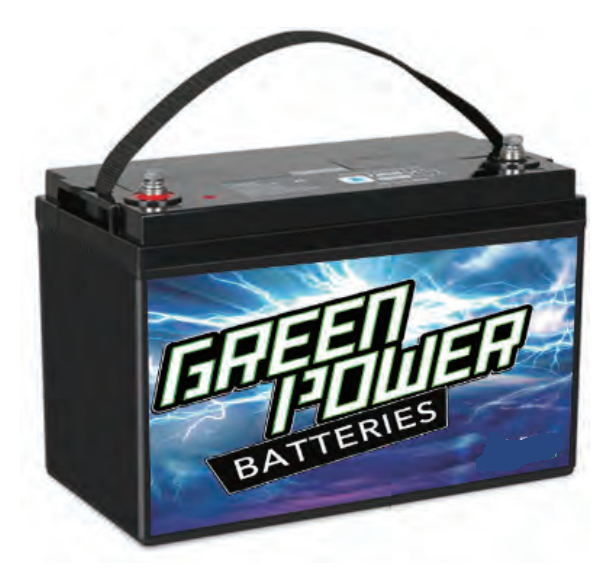 |
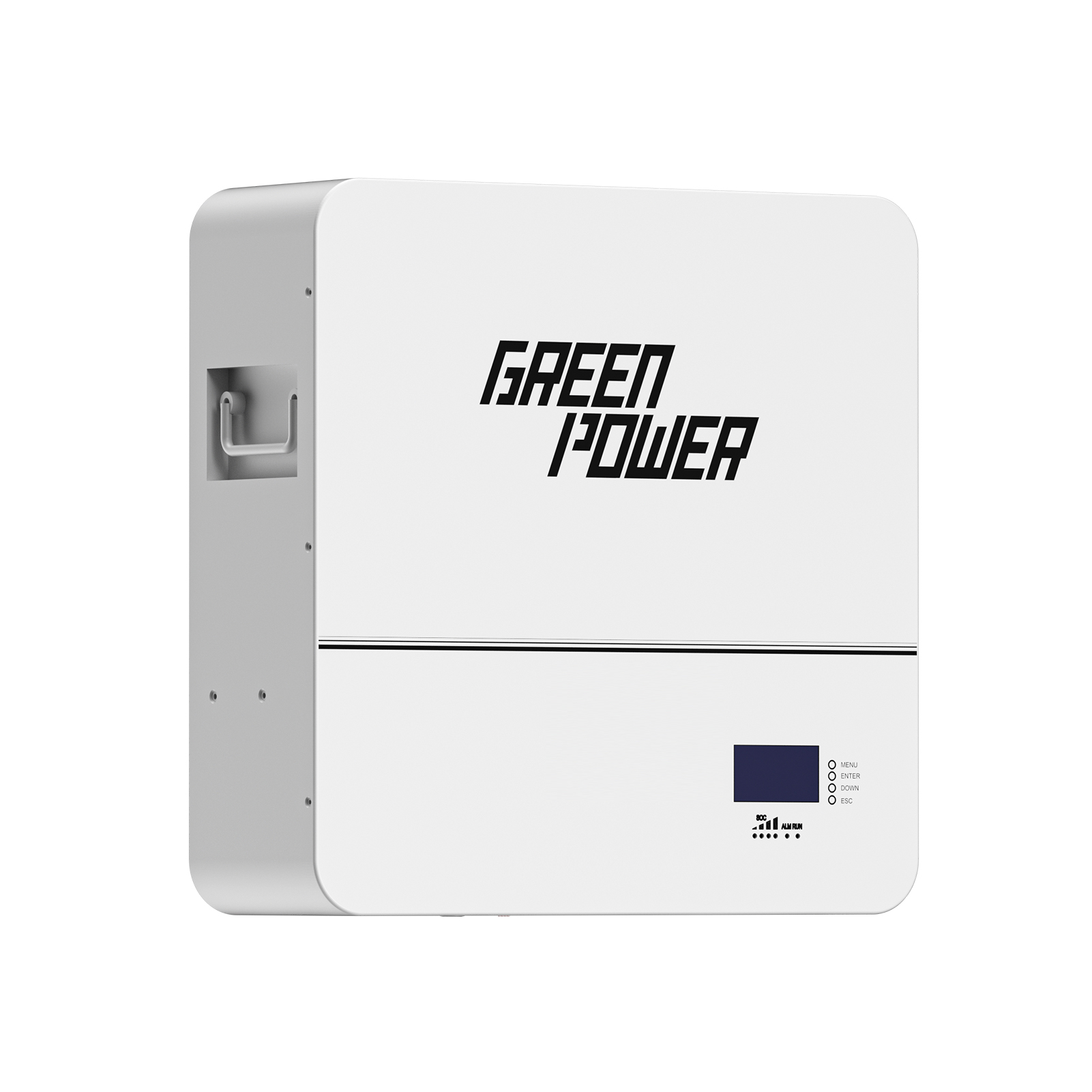 |
| The number of cycles | DOD (Depth of discharge) 70% cycles 1500 timesIn order to protect battery life, only 70% discharge is allowed | DOD (Depth of discharge) (Depth of discharge)100% cycles 3000 timesCan be 100% deep discharge |
| Capacity comparison |
100AH gel battery = 70AH lithium battery capacity one time |
|
| Service life | 6-8years | 10-12years |
| Package | Large volumeheavy weighthigh freight | Small volumelight weightsaving freight costs |
| Installation | Series and parallel connections are more complicated and require large space | Connect one wire each for the positive and negative poles;easy to install and save space |
| Free warranty time | 2 yearsShip the new for service | 3 yearsShip the new for service |
| Price | Cheap | Expensive |
| Which one is better? | Decide according to your budget and usage requirements, the one that suits you is the best | |
When purchasing a backup power storage system, there are many factors to consider, especially the battery type, which is crucial for off-grid solar systems. GREEN POWER will guide you through the differences and help you choose the battery that suits your home.
What is a Gel Battery?
A gel battery is a mature technology that has been in use for nearly 40 years. These batteries are highly tolerant to vibrations due to gel protection. Their low discharge rate makes them perform well as backup power sources. Gel batteries are suitable for applications that require minimal current, such as closed-circuit television (CCTV) surveillance devices, solar street lights, and other electronic equipment.
Gel Battery and Lithium Battery for Off-Grid Energy Systems Both gel batteries and lithium batteries, like those used in solar and wind power systems, can store energy for prolonged use. With a sufficient battery capacity, your system can achieve 100% off-grid functionality.
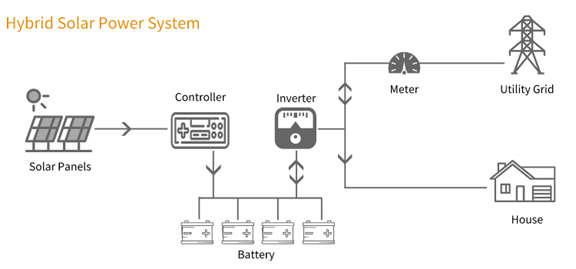
Gel Battery and Lithium Battery for Grid-Tied and Off-Grid Solar Systems In this type of system, gel batteries serve as backup power sources. The operating mode of this system is well-suited for areas where solar energy can be sold to the local power company but experience frequent power outages. Gel batteries provide power during blackouts.
Lithium Battery In recent years, the price of lithium batteries has decreased, leading to their increased usage in various applications.
There are three main types of lithium batteries: ternary, manganese, and lithium iron phosphate (LiFePO4). LiFePO4 batteries are the ideal solution for off-grid systems like solar and wind energy systems. Due to their low weight and maintenance cost, they are convenient to install and transport.
Based on lithium technology, these batteries have three times higher energy density than gel batteries of the same size. This advantage in space utilization allows for higher current capacity in smaller spaces.
In simple terms, four 12V 200Ah gel batteries can be replaced by a single 48V 200Ah lithium battery. The size and weight of lithium batteries are only half that of gel batteries, making transportation more manageable.
Applications of Lithium Batteries
- Electrical Equipment – Solar Street Lights: Their small size and outstanding performance make them suitable for street lighting, enabling 100% off-grid functionality. They are particularly useful in areas with limited access to the grid or where grid electricity is expensive.
- Off-Grid Energy Systems: Similar to gel batteries, lithium batteries can be used in off-grid solar systems to store energy and provide power when needed.
- High Voltage Batteries for Powering Electric Vehicles (EVs): In the EV industry, lithium batteries can handle 2,000 to 3,000 charge-discharge cycles, making them suitable for high voltage applications.
Advantages of Lithium Batteries:
- Longer Cycle Life: Lithium batteries have a much longer lifespan than gel batteries, exceeding 4,000 cycles compared to gel batteries’ approximately 500 cycles. This means that if you use one cycle per day, a lithium battery can last for 10 years, while a gel battery lasts only about 2 years.
- Lighter Weight: Gel batteries weigh twice as much as lithium batteries with the same capacity.
- 100% Depth of Discharge (DOD): Lithium batteries can be discharged to 100% depth, while gel batteries are recommended to be discharged to a maximum depth of 80% to preserve their lifespan.
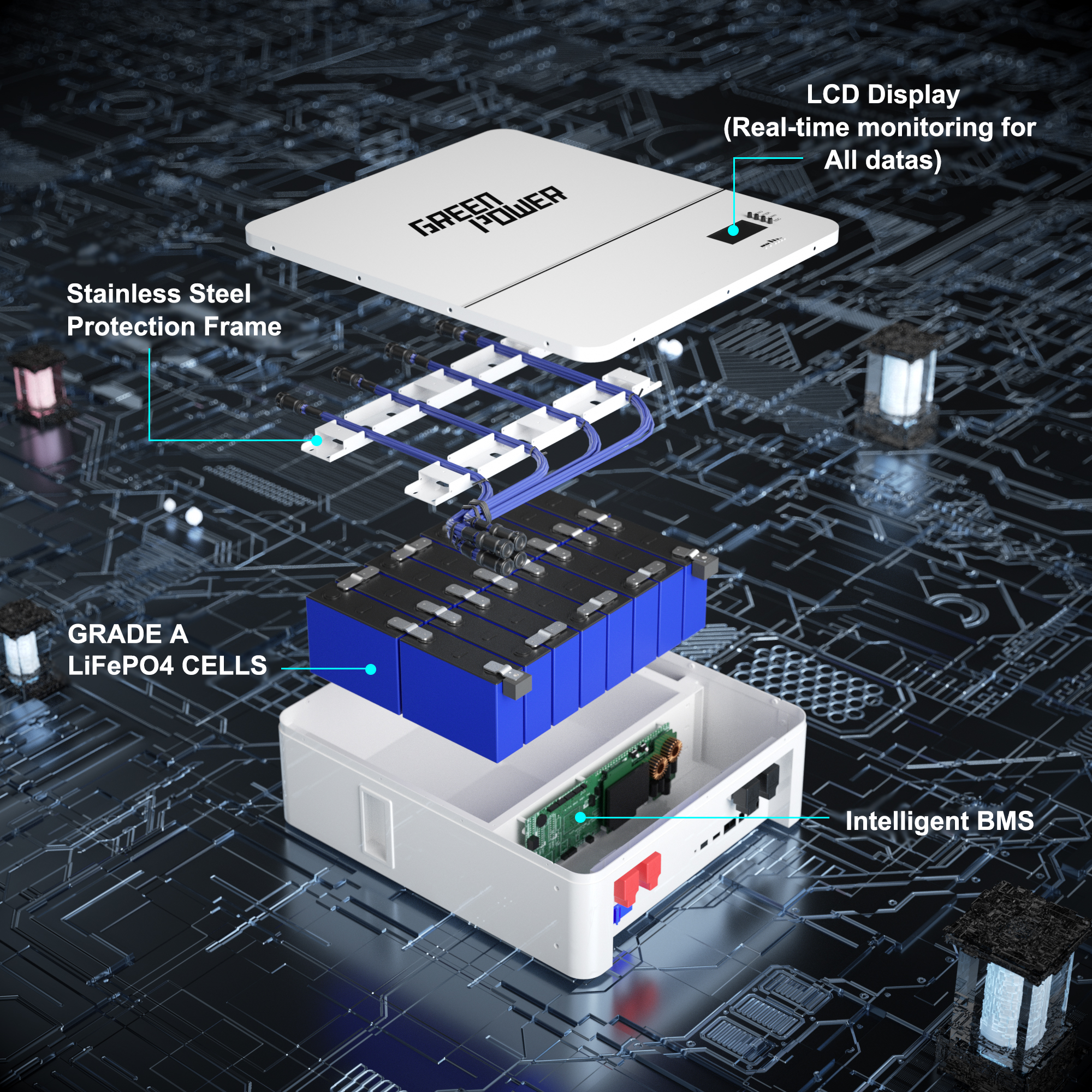
- Built-in Battery Management System (BMS) for Protection: Lithium batteries come with a BMS system that prevents overcharging and over-discharging, relieving you of these concerns. On the other hand, gel batteries lack an integrated BMS system and require special attention during use.
GREEN POWER provides products equipped with GANFENG LITHIUM’s premium lithium iron phosphate cells, known for their exceptional safety and durability. As a leading enterprise in the lithium battery industry, GANFENG LITHIUM offers the following advantages:
GANFENG LITHIUM possesses advanced technology research and development capabilities in the lithium battery field. They invest significant resources in research and innovation to deliver high-quality, high-performance lithium battery products.
Safety Performance: GANFENG LITHIUM’s lithium iron phosphate batteries exhibit outstanding safety performance. Compared to other types of lithium batteries, lithium iron phosphate batteries are more stable and less prone to overheating, combustion, or explosions, providing users with enhanced safety.
Durability: GANFENG LITHIUM’s lithium batteries have excellent cycle life and long-term stability. This means they can withstand more charge-discharge cycles, have a longer lifespan, and maintain consistent performance, offering users a reliable power storage solution.
Reliability Assurance: GANFENG LITHIUM is renowned for its strict quality control and reliable product performance. They ensure that their products meet international standards and undergo certifications such as ISO 9001 Quality Management System Certification and ISO 14001 Environmental Management System Certification to guarantee users receive high-quality products.
In conclusion, based on your needs and budget, you can choose either gel batteries or lithium batteries for your solar system. Lithium batteries offer a longer lifespan, lighter weight, and greater depth of discharge capacity but come at a relatively higher price. Gel batteries, on the other hand, are more affordable and suitable for low-power devices and projects with limited budgets. Most importantly, before purchasing batteries, ensure that you understand your system’s battery requirements and consult with the supplier for detailed information.